Meet the Chairs: Dr. Murphy and Dr. Helgeson reflect on the History Department and its future

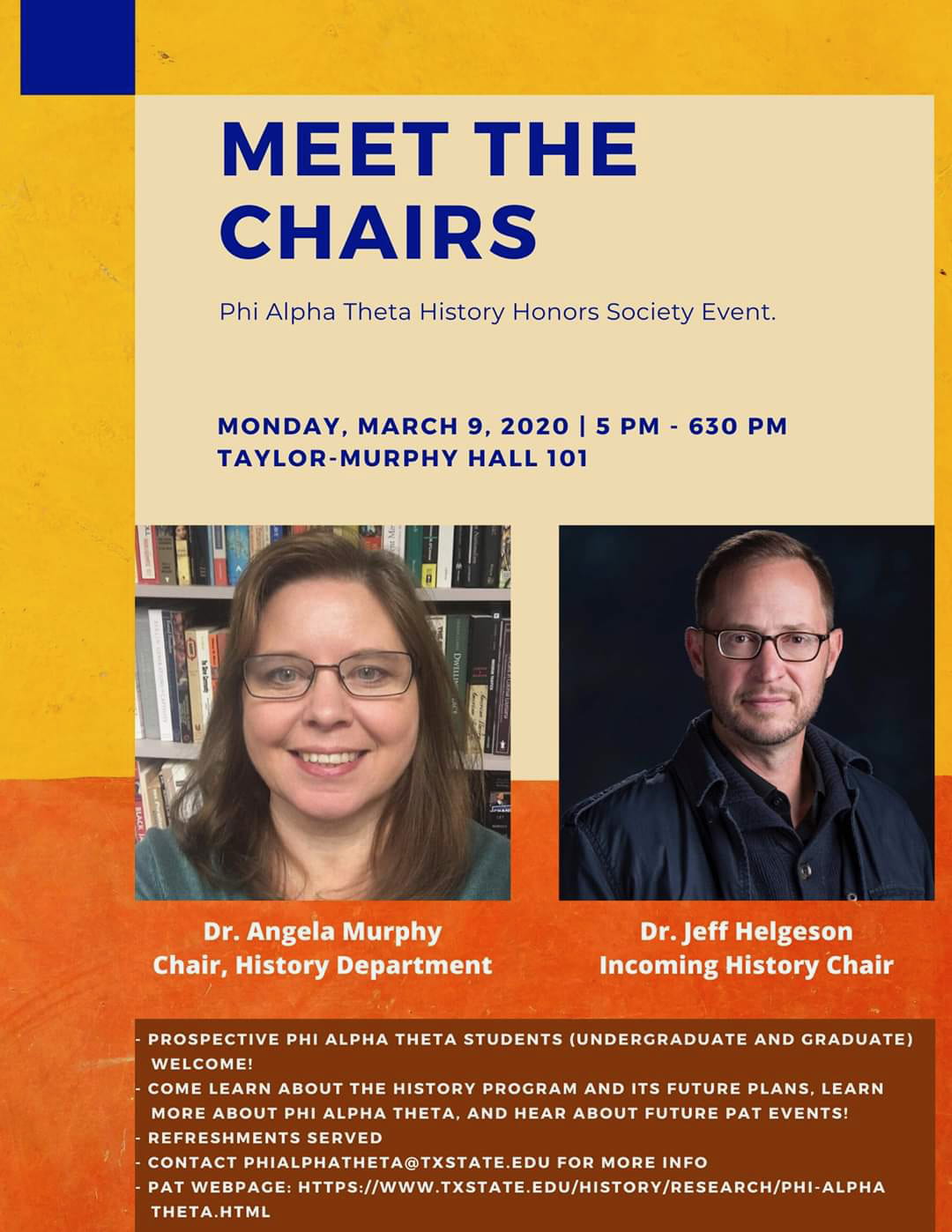
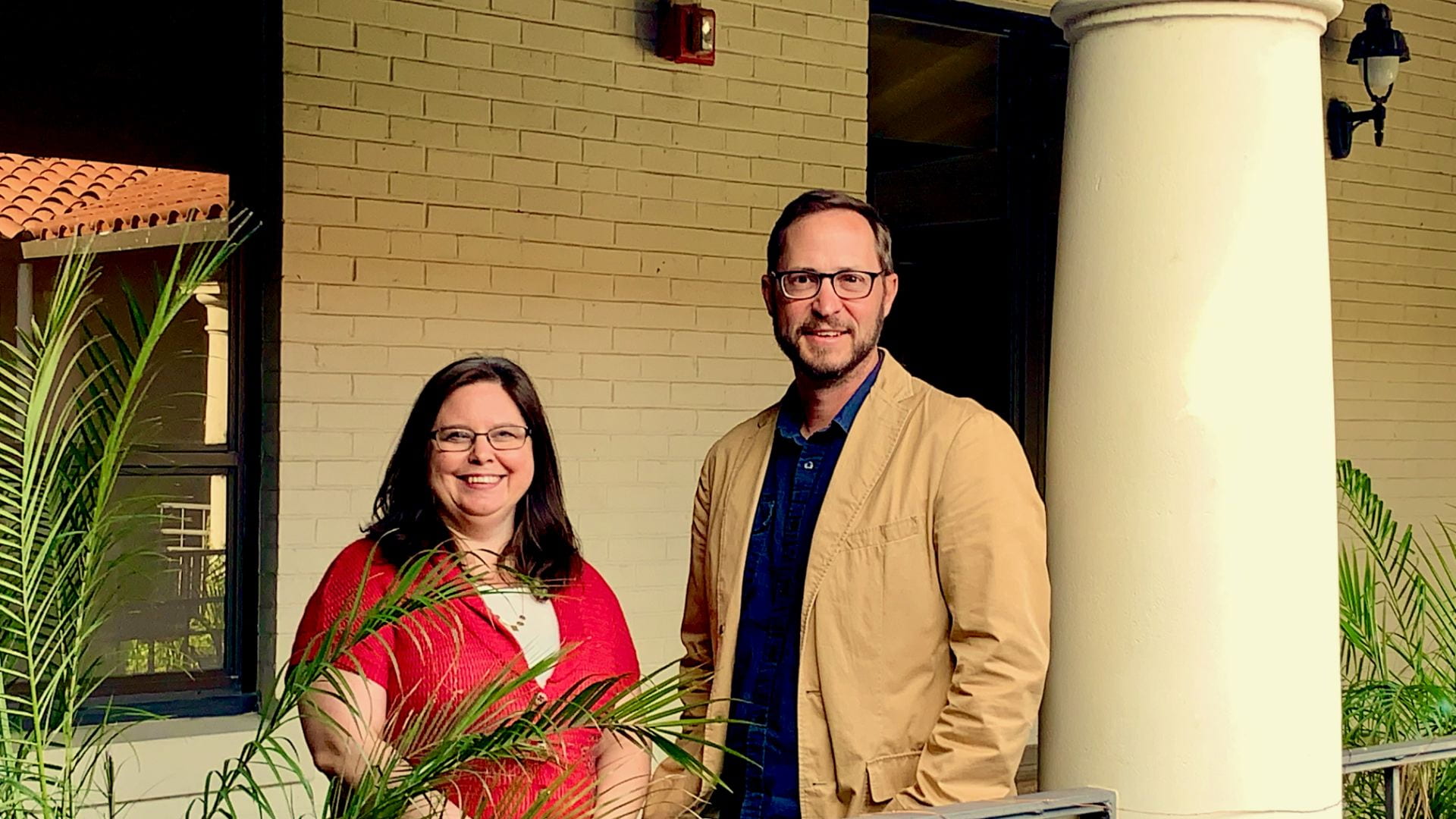
Photo of Drs. Murphy and Helgeson

Dr. Angela Murphy, who has served as chair of the department since 2017, reflects on her time as chair and shares some of her upcoming research. Incoming chair, Dr. Jeffrey Helgeson, gives us a glimpse into his vision of the future of the department.

Join them both on 9 March 2020 from 5:30-6:30 PM in Taylor-Murphy Hall 101 for a discussion sponsored by Phi Alpha Theta History Honors Society.
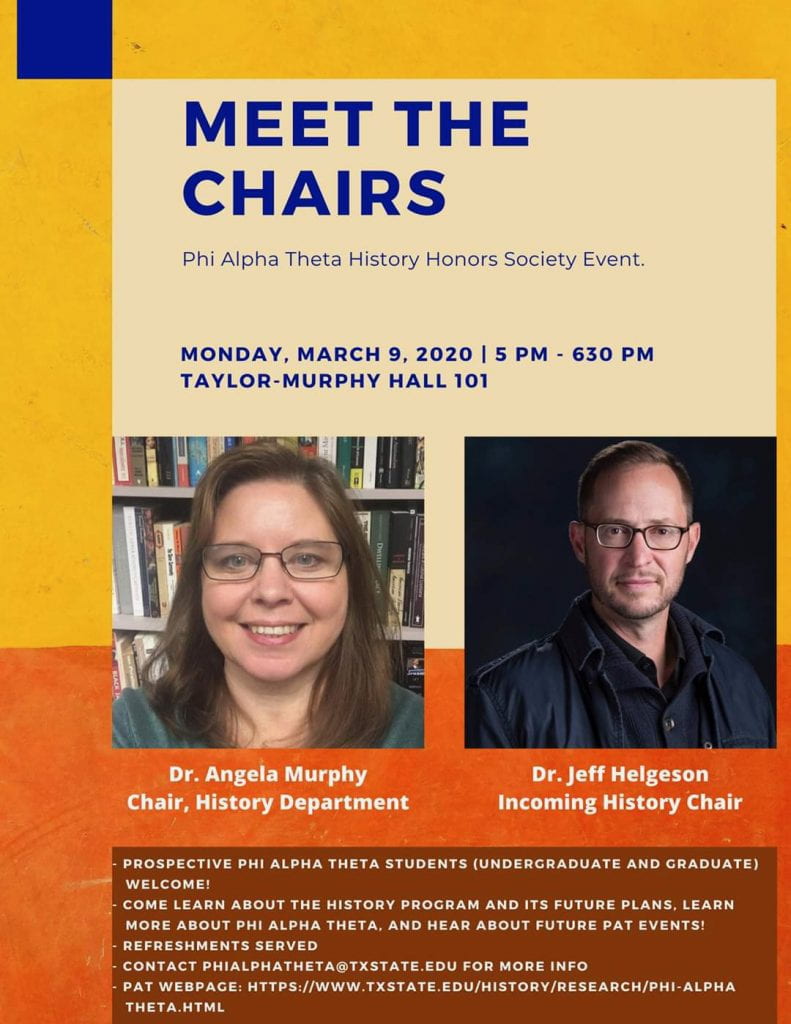

Murphy and Helgeson FlyerA Note from Dr. Angela Murphy

It has been rewarding serving as chair of the History Department for the past few years. It has given me a chance to get to know students on a different level, beyond the classroom, and to help further the vision of my fellow faculty. Students should know that they are front and center in that vision. I am proud to say that although the department is made up of world-class researchers, student success has remained one of its highest priorities.  This can be seen not only in the way in which faculty interact with students both in and out of the classroom, but also in the type of people we have hired over the past three years, in the efforts that have been put into modernizing the curriculum, and in the accomplishments of our students both while they are enrolled with us and afterwards.

While I am grateful for the experience of serving as chair, I am very much looking forward to stepping back into to my old faculty role in which I get to teach more (hands down my favorite part of my work) and engage more heavily with my research. Next year I will return to teaching the first half of the U.S. history survey and upper level and graduate courses on the history of the United States during the Antebellum, Civil War, and Reconstruction Eras. I also will be able to dedicate more time to writing a monograph that has been long in the making – a biography of 19thcentury African American activist, Jermain Loguen, who was one of the primary Underground Railroad operatives in New York State.

I am excited to pass the torch to Jeff Helgeson, who is a natural leader in the department already and whose dynamism and commitment will surely take the department to new heights!


A Note from Dr. Jeffrey Helgeson

It is an incredible honor to be able to say that in September 2020 I will be beginning my eleventh year here at Texas State in a new role as chair of the department of history. Over the course of the past decade, I have had the great good fortune to learn from, and have the support of, our previous chairs: Dr. Frank de la Teja, Dr. Mary Brennan (now Dean of the College of Liberal Arts), and Dr. Angela Murphy. To a great extent, as leaders of the history department, they have created the foundation for my success here as a scholar and a teacher, and they have helped guide the energy I have put into helping to foster the growth of Texas State as a whole (the kind of work academics label, “service,” that includes not just serving on committees, but, among other things, making decisions about how we will teach our classes, who we will hire, and how the university can live as a community of inclusiveness and student growth in difficult times). I hope to follow in the footsteps of the previous chairs, to support my colleagues in their work.

The history department has a reputation for being a well-run department. This means that the chairs who have come before me have been highly successful at doing the work of managing the department. They lead the way on the work that happens behind the scenes to make sure that students have the classes, advising, and academic support they need. They work to ensure that our faculty has the resources they need to develop their research, as well as coursework and extracurricular programs (study abroad, study in America, student clubs, teacher training programs, etc.) that make the Texas State history department such a vibrant place.

The Department of History is a dynamic living community, the health of which depends upon the dedicated work of dozens of people. Our academic counseling and teacher training leaders are amongst the leaders in Texas and the nation. Our public history program has established itself as a national leader, placing graduates in internships and jobs with institutions like the National Park Service, the Smithsonian, and dozens of museums, archives, and history enterprises nationwide. Our undergraduate major in history prepares students to be leaders in the professional worlds of education, the media, public service, the arts, and much more. Moreover, through our connections with vibrant areas of study across campus—including, but not limited to, the Center for International Studies, the Center for Texas Music History, the Center for the Study of the Southwest, the Center for the Study of Gender and Diversity, and minors in African American and Latino/a Studies—the history department opens doors for students to have a grounding in sophisticated historical thinking while pursuing academic and career paths that could take them literally anywhere in the world. None of this wide-ranging work would be possible if not for the department’s outstanding administrative staff—I know I am going to learn so much from Madelyn Patlan, Roberta Ruiz, Adam Clark, and the student staffers in the office.

As you can see, I am a big believer in the ongoing work of the Department of History. I have seen my colleagues dramatically transform the lives of thousands of students over the years. I want to do nothing that will slow down those achievements. Indeed, one of my goals is to sustain the department’s record of continuous excellence, and to build upon recent gains we have made in funding graduate student research and travel, in creating resources to foster undergraduate research, and to support our faculty in their awe-inspiring research on historical themes that span thousands of years of global history.

In addition to maintaining our ongoing success, I also pledge my energies to the tasks of making the Department of History a place where even more students—undergraduate and graduate, alike—can find a path for themselves, while gaining the kinds of skills and worldview that will give them the power to constantly reinvent themselves in the face of life’s inevitable challenges. This means that I am committed both to the fostering of a community of scholars, even as I show up day in and day out to ensure that the nitty gritty work of making the department run well gets done.

Looking forward, I have to admit that I find my new role to be somewhat daunting. Yet I return to advice I received years ago from none other than my own mom. She said, if you want to take on big challenges in life, be sure to surround yourself with people whom you respect and who are doing interesting things. The Department of History is a complex institution, it is also my academic home—a place where I look forward to learning from, and working alongside, fellow faculty members, deeply competent and friendly staff, as well as curious and profoundly interesting students.
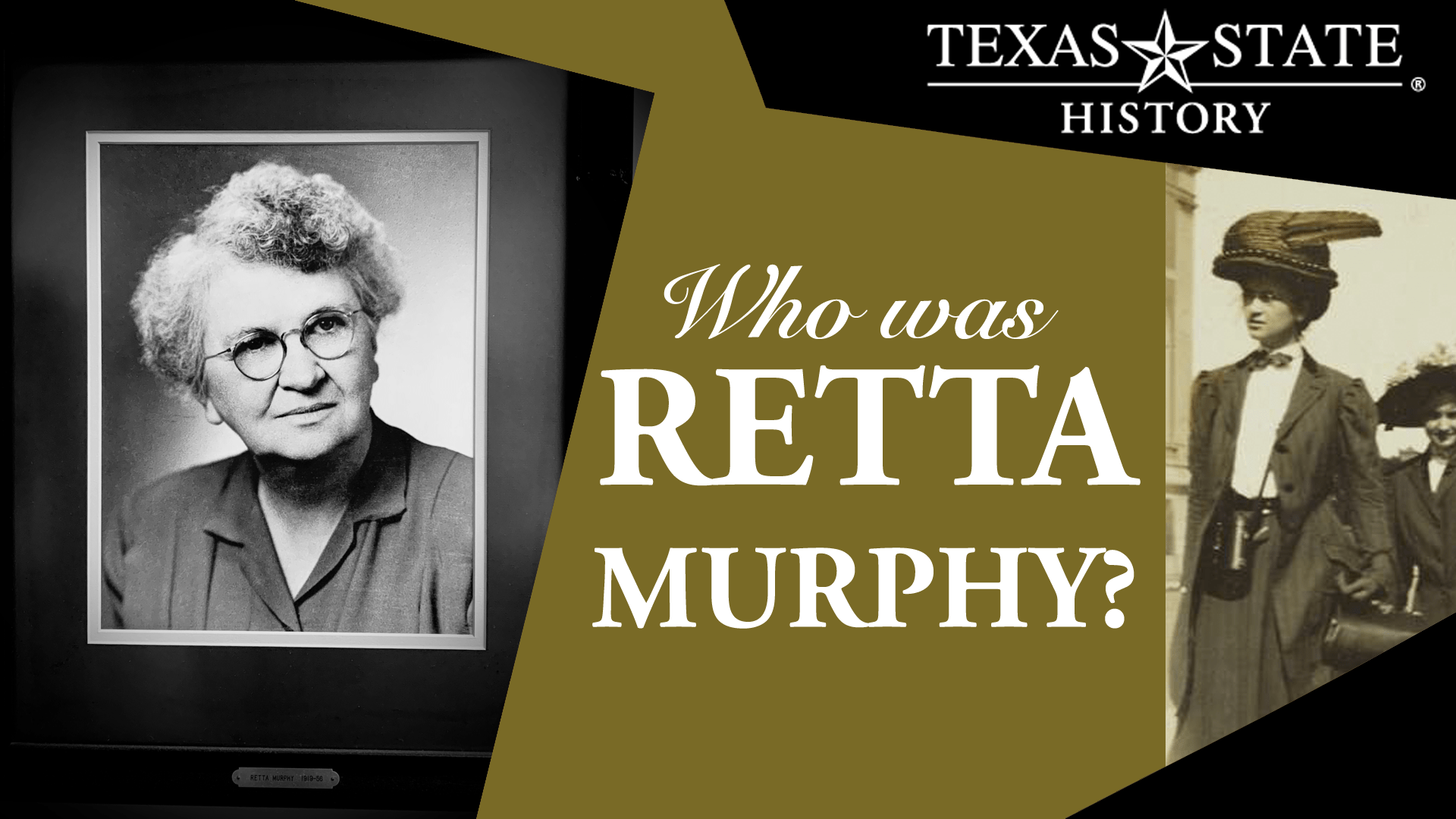
 

Who was Retta Murphy?

Who was Retta Murphy?

One hundred years ago, in 1919, Retta Murphy arrived to San Marcos, Texas to teach history on the faculty of what is now Texas State University. Although she did not have her PhD when she arrived, she eventually went on to become the first Texas State University woman faculty member to hold a Ph.D. (Latin American History from U.T.-Austin in 1938.) Thousands of people have taken classes in the building that bears Dr. Murphy’s name, Taylor-Murphy Hall—the home of the Texas State Department of History.

In his book, Up the Hill, Down the Years, Dr. Ronald Brown writes: “When the History Department moved into the old Fine Arts Building, the faculty requested that the building be renamed to honor James Taylor and Retta Murphy, who had shaped the modern History Department and were early advocates of gender equity.” Dr. Murphy certainly left her mark on the University.

Dr. Emmie Craddock—a history professor, former mayor of San Marcos, and the founder of what is now the Texas State University Honors College—shared an office with Dr. Retta Murphy for a time. She called Dr. Murphy “one of the great legendary figures” of Texas State University.

Many years after Dr. Murphy’s death, Dr. William C. Pool said of Murphy, “She was a tower [of] strength… in the department…[She had] a fine dry wit that was almost unbelievable. Yes, we all loved Retta Murphy.”

Describing Dr. Murphy at a commencement address, Dr. Craddock said, “For years on end Dr. Murphy arrived at her office every morning at nine and left at five, except on Saturdays when she went home at one; and she studied as diligently on the last day she ever taught as she had from the first day of her teaching.”

Dr. Craddock continued, “Literally thousands of students who were lucky enough to have a course with her felt the clarity of her mind, the absolute integrity of her life in all of its aspects. She had no time for preten[s]e or sloppy thinking and she dearly loved to deflate the arrogant, a feat she could accomplish instantly with a comment both cryptic and deadly.”

Although she was known for “a rather brusque exterior” Dr. Craddock said underneath that “lay a heart as malleable as a child’s and a generosity of spirit which knew few bounds.” For Dr. Craddock, “[Murphy] never demanded more of others than she asked of herself, and few ever left her classes without feeling the rapier thrust of her mind and the breadth of her learning. She also had a quick and wonderful wit.”

Although, as a woman, Dr. Murphy certainly faced her obstacles. Despite temporarily serving as chair of the Division of Social Sciences, Dr. Murphy was not offered the position permanently. When asked why she was not named chair herself, she replied, “Because I wear my pants on the inside instead of the outside.’”

“She was a marvelous Presbyterian, a wonderful history teacher, straight as a die, and not afraid of anything, the devil included,” Dr. Craddock said of Dr. Murphy.

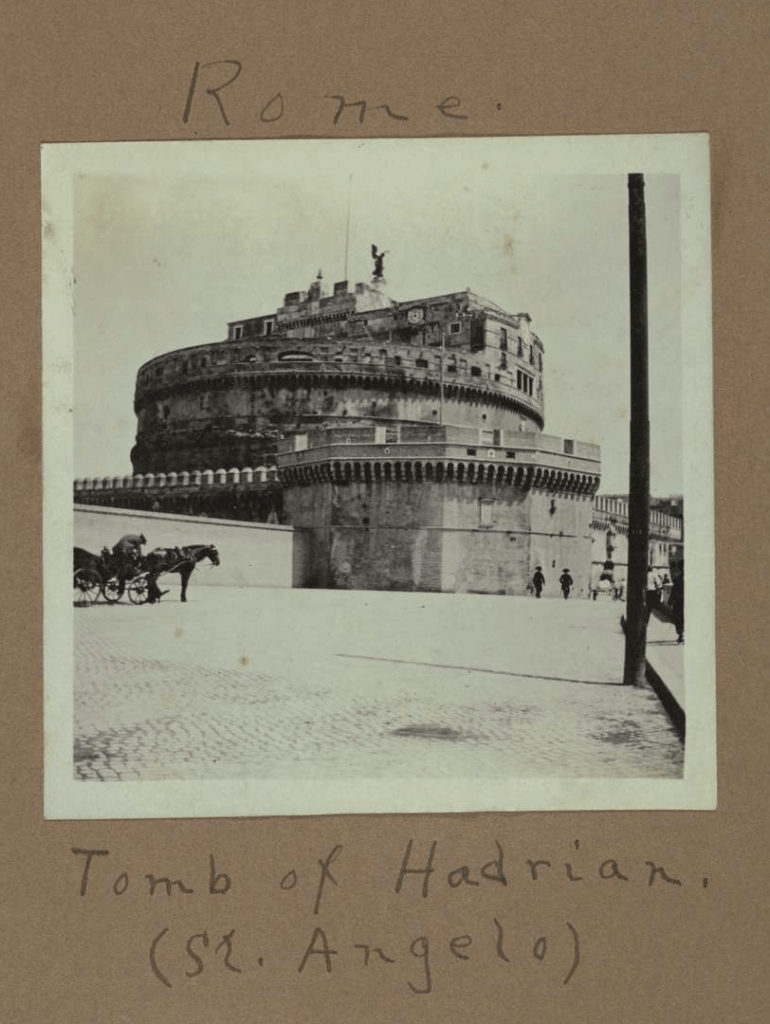
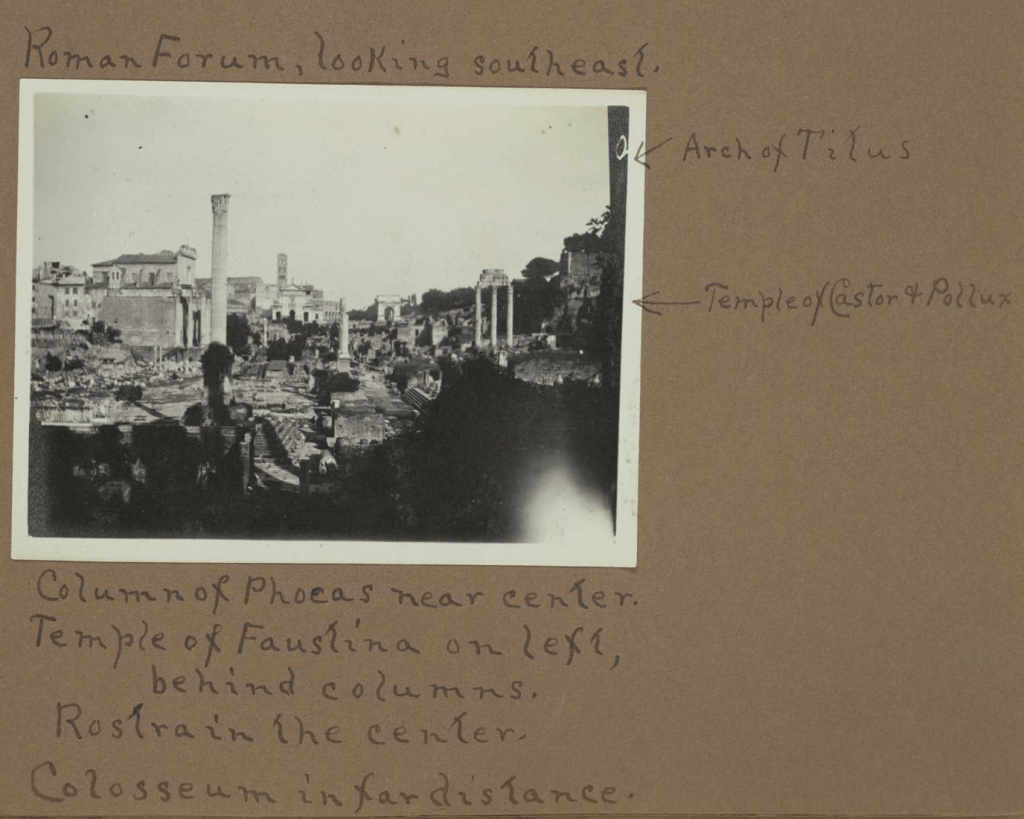
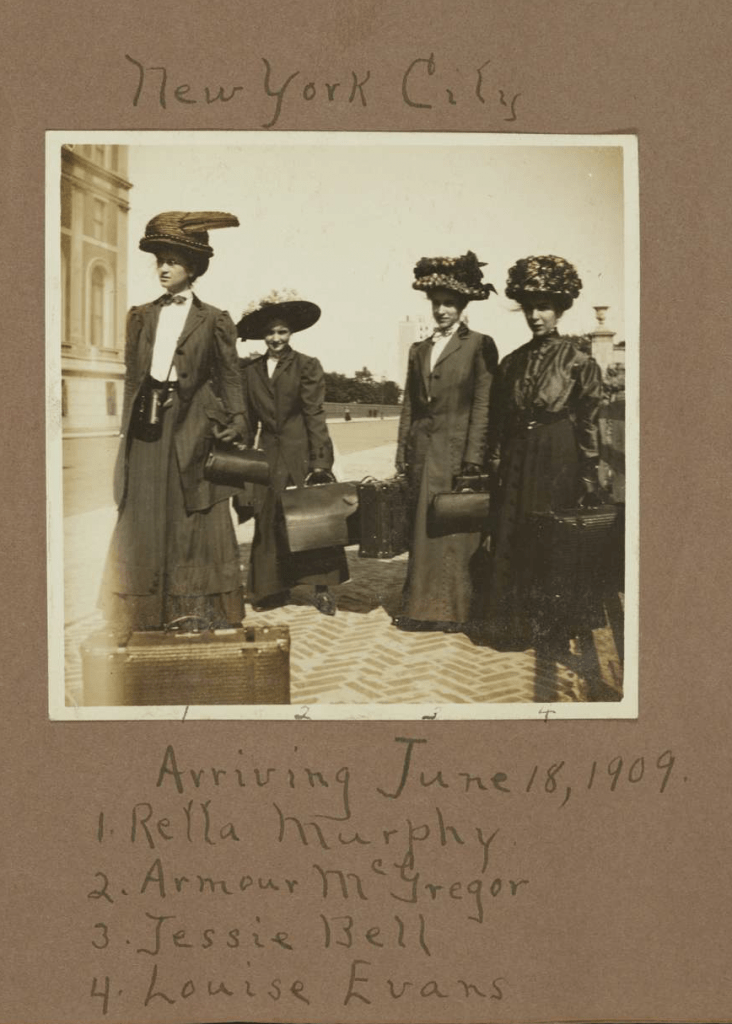
To celebrate the 100th anniversary of Dr. Murphy coming to San Marcos, we wanted to share with you her 1909 travels through Europe, 110 years ago, which lasted from 14 June-4 September 1909. Her entire scrapbook is available online through Texas State University Archives. 

Here is a sneak peek:


Alumni Profile: Jennifer Ruch on the Past, Future, Cowpunk, and Grad School

A new academic year is starting and we were excited to hear from Jennifer Ruch. Not only did Jennifer give us a little bit of background on where she’s been and where she’s going, but she also tells us about her doctoral research, and leaves us with a few tips for first year graduate students!

Can you tell us a bit about your path so far?

Jennifer Ruch: I received my B.A in history from Texas State in 2014 and I continued on with the Public History Program and earned my M.A. in 2016. I wrote my thesis on Austin music in the 1960s and 1970s with particular interest in the narrative’s intersection with cultural heritage construction. I was lucky enough to publish my M.A. thesis in the Journal of Texas Music History through the Center for Texas Music History. I worked closely with Dr. Jason Mellard, Dr. Lynn Denton, and Dr. Gary Hartman. I began my PhD at Middle Tennessee State University last fall and specialize in American popular music, museums, popular culture, and material culture. I am continuing my research to analyze the intersection between popular music, the museum, and the music industry. My dissertation will explore the genre dubbed “cowpunk” in the Nashville during the late 20th century. I am a year away from qualifying exams, but currently have a dissertation committee that includes the State Historian of Tennessee, Dr. Carroll Van West. I work as a doctoral research assistant for the Oral History Association and I also work part time at the Grand Ole Opry House. My hope is that my PhD and the research I am conducting will broaden the field’s understanding of music and popular culture in the academic & museum spaces.

So, what is cowpunk?:

Jennifer Ruch: I am exploring a regional intersection of punk and country music that originated in the UK in the 1980s and gained popularity in L.A.  as well as Nashville. It was a brief moment in time, but its importance has more to do with the presence of an underground scene in Nashville adjacent to mainstream country music. Think bands like Jason & the Scorchers, Rank & File (actually out of Austin), Social Distortion. Dwight Yoakum even dabbled in cowpunk early on.

What are few tips you have for first year graduate students?

Jennifer Ruch: 

  • Get to know your faculty and your centers! They can be your biggest help while you acclimate to graduate school life. Don’t be afraid to reach out!
  • Know when to take a breather. Breaks are healthy. Running yourself into the ground and losing sleep doesn’t produce quality work. Get your sleep, eat smart, and never apologize for a mental health day!

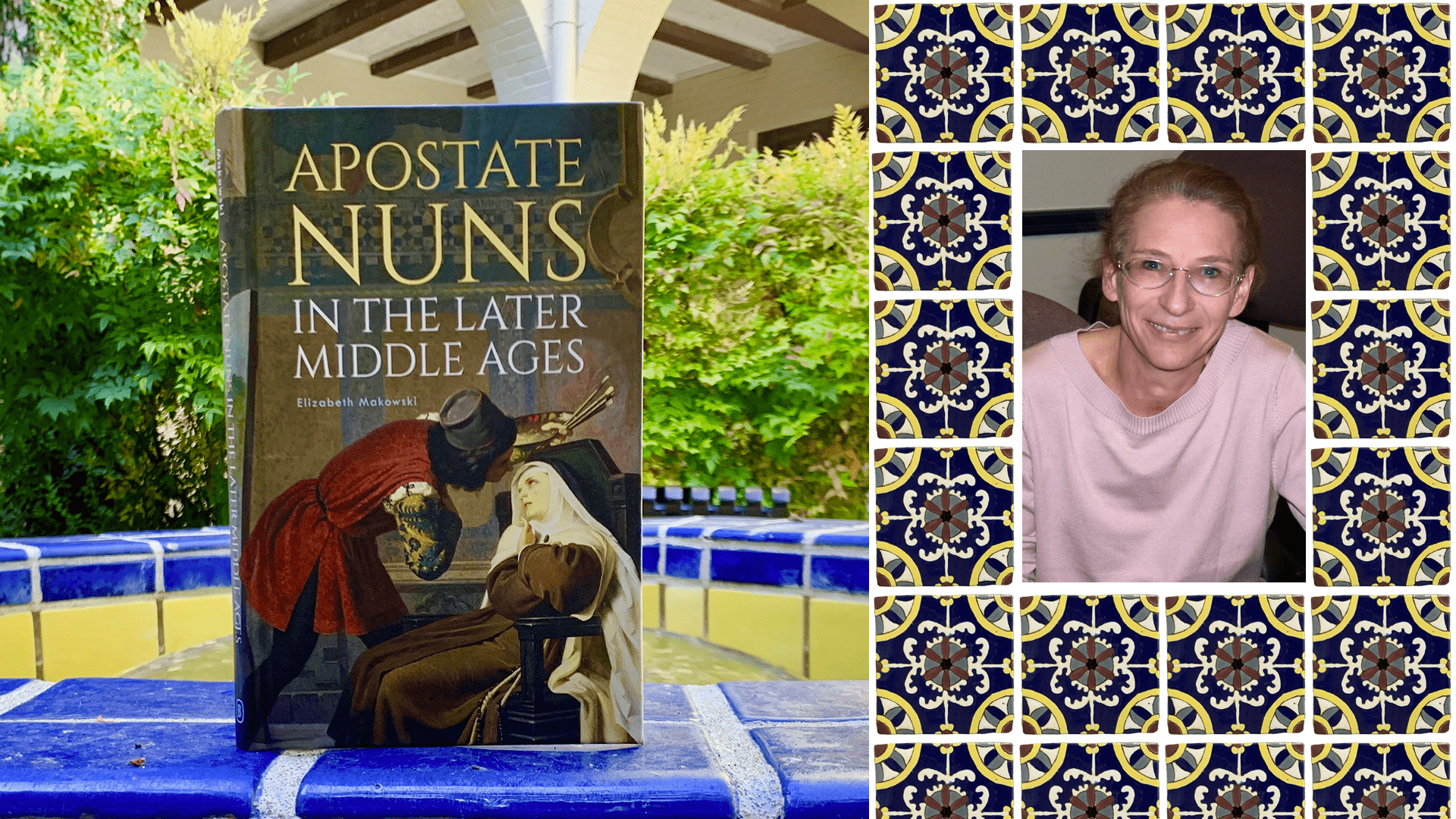
Dr. Elizabeth Makowski on her new book “Apostate Nuns in the Later Middle Ages”

Emerita Professor of History Dr. Elizabeth Makowski recently released her new book, titled Apostate Nuns in the Later Middle Ages (Boydell and Brewer 2019, 30% discount using promo code: BB130). 

Dr. Makowski took the time to answer a few questions about her new book and the research behind it! 


Get a 30% discount on Dr. Makowski's book using promo code: BB130
Get a 30% discount on Dr. Makowski’s book using promo code: BB130

Book description: “To make a vow is a matter of the will, to fulfill one is a matter of necessity,” declared late medieval canon law, and religious profession involved the most solemn of those vows. Professed nuns could never renege on their vows and if they did attempt to re-enter secular society, they became apostates. Automatically excommunicated, they could be forcibly returned to their monasteries where, should they remain unrepentant, penalties, including imprisonment ,might be imposed. And although the law imposed uniform censures on male and female apostates, the norms regarding the proper sphere of activity for women within the Church would prohibit disaffected nuns from availing themselves of options short of apostasy that were readily available to monks similarly unhappy with the choices that they had made.

This book is the first to address the practical and legal problems facing women religious, both in England and in Europe, who chose to reject the terms of their profession as nuns. The women featured in these pages acted, and were acted upon, by the law: the volume shows alleged apostates petitioning for redress and actual apostates seeking to extricate themselves, via self-help and litigation, from the moral and legal consequences of their behaviour.


Q: What question(s) did you hope to answer when you started this book?

Dr. Elizabeth Makowski: The unanswered questions with which I was left after finishing my book on cloister regulation of nuns (Canon Law and Cloistered Women) really led to all of my subsequent research projects. Exploring Pope Boniface VIII’s vaunted effort (the papal bull, Periculoso, 1298) to impose strict enclosure upon “all nuns of every order throughout Christendom,” made me curious about the ways religious women who were not technically nuns were treated by Church lawyers and pundits (A Pernicious Sort of Woman). Then I began to wonder how women who were nuns, and who actually tried to implement strict cloister rules, managed to stay financially solvent (English Nuns and the Law in the Middle Ages). I was drawn to the topic of apostate nuns since the rules for the recognition, return, and reintegration of apostate monks and nuns were established at just about the same time that Pope Boniface had attempted to, and at least partially succeeded in, making life for female regulars considerably different from that of their male counterparts. When I began to investigate, I found that scholars had not given very much attention to the topic of female apostasy and that convinced me to begin my own research.


Q: What major challenges did you face in doing this research?

Dr. Makowski: Work on this book was interrupted by a major family health crisis so it was a slow process. I reckon it was seven years in the making and because of the gap between beginning the research/writing, and submitting a draft to my editor at Boydell and Brewer, I had a very hard time crafting the manuscript into the best, most cohesive book it could be.  Integrating the suggestions for revision, given by the readers to whom the manuscript was sent, while remaining true to my initial vision for this book was indeed a challenge. Thanks to those capable and thorough reviewers, and the patience of my editor, well, you can judge for yourselves.


Q: What type of primary sources/archives did you consult?

Dr. Makowski: The most important primary sources used for this book fall into roughly three categories. First, canonical rules and regulations governing apostasy; legislative and doctrinal material that became the formal, normative law. Second, case material and other documents of practice that tell us something about the implementation of that law. Third, contemporary narratives about apostates that provide some insight into the lived experience of both apostate nuns and those charged with their return and reintegration to monastic life. While some of these original sources have been published—the defining books of the Corpus Iuris (the collection of medieval Church law) for instance— a great deal of other important prescriptive literature, such as consilia, (legal opinions written by academic canonists for use by court or client), and many episcopal registers, episcopal commissary and audience court records, Chancery wits, and proceedings in royal or papal courts have not. All sources, even published chronicles such as Iohannes Busch, Chronicon Windeshemense Und Liber De Reformatione Monasteriorum, are generally untranslated, and with the exception of excerpts from them that appeared in, and are quoted from, secondary scholarship, all translations and paraphrases are mine.


Q: What was something surprising that you found in your research?

Dr. Makowski: Oh, there were so many surprises! For example, many nuns who left their convents later actually sought to return to the vowed life, although the circumstances of an apostate’s secular existence were real considerations in decision-making; motherhood in particular often tipped the balance.  Lucrezia Butti had attempted to recommit herself to religious life after the birth of her son, but left again, for good, soon after.  Battistina, professed nun who had fled her convent of Poor Clares to live for years with, and have children by, a Milanese layman, begged the Sacred Penitentiary for absolution and the opportunity to return to religion only after her children were grown; and it was not until after the death of her son that Sophie of Brunswick reconsidered her resolve to remain in the world.

I was also struck by the variety of reasons for, and means by which, these disaffected nuns became apostates. The prospect of inheriting great wealth by renouncing one’s religious status was a compelling lure for some, but romantic love, lust, or a combination of both, motivated far more professed nuns to become apostates. Some apostates were reluctant renegades set adrift by war and disaster, lapses in judgment, or religious reforms that consigned them to a life much more rigorous than they had ever promised to live. Some broke with the vowed life suddenly, others strayed from it by degrees.

And then there were the legal ambiguities that could trip up an unwary researcher! Relatively lax regulations regarding the admission of male clergy and laymen into cloister confines could result in what was technically referred to as raptus, ravishment, an ambiguous term which was used by scribes and lawmakers to mean both rape (sexual assault) and abduction, forced or consensual.  In the thirteenth and fourteenth centuries, it became part of the formula to initiate a case in civil and criminal courts, but it might just as easily have denoted a nun’s voluntary abandonment of her vows as sexual violence and forceful seizure. Even if an escape plan was hatched by someone other than the apostate herself, collusion can seldom be entirely excluded from the equation.